
AI May Be Driving the Market, but Consumers Are Watching Gas Prices
AI can lift the index, but U.S. households still respond to gasoline, housing, and grocery bills. Walmart, Target, and Home Depot show that spending has not vanished. It has become more selective and more value-focused.
This article is based on information available as of 00:00 UTC on May 22, 2026.
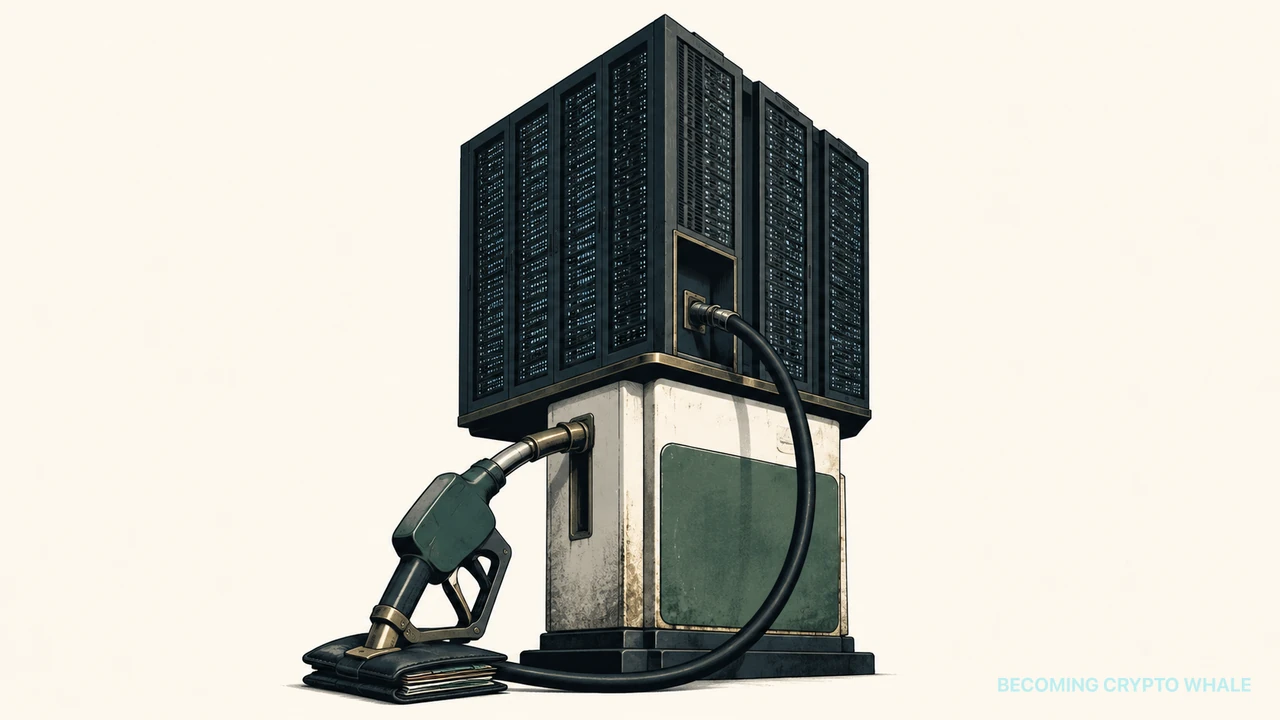
The market is watching NVIDIA and AI. Consumers are watching gasoline.
That gap matters. Equity indexes react to AI infrastructure spending, data center demand, and semiconductor margins. Households react to fuel, groceries, rent, mortgages, and card balances. These two worlds are connected, but they are not moving at the same speed.
The latest results from Walmart, Target, and Home Depot do not say that U.S. consumption has collapsed. They say something more precise.
Spending has not disappeared. It has migrated toward value and necessity.
What Walmart showed
Walmart's first-quarter fiscal 2027 total revenue rose 7.3% from a year earlier, or 5.9% in constant currency. U.S. comparable sales rose 4.1% excluding fuel. The company said customers were choosing Walmart for value and convenience.
That is not a recessionary spending stop. It is a shift in where spending goes. Price-sensitive households are favoring lower prices, faster fulfillment, groceries, essentials, and channels that make every dollar go further.
But strong Walmart sales are not the same as a comfortable consumer. AP reported that Walmart remained cautious about the rest of the year amid economic uncertainty. Higher gasoline and inflation pressures change decisions, especially for lower- and middle-income households.
Walmart can be a winner in defensive consumption. That does not mean the entire consumer economy is healthy.
Target and Home Depot tell the other side
Target also printed a strong quarter. First-quarter net sales rose 6.7%, comparable sales rose 5.6%, and digital comparable sales increased 8.9%. The company lifted its annual net sales outlook to a range around 4%.
That is a sign that consumers still respond to better assortment, discounts, memberships, and convenience. But the response is becoming more selective.
Home Depot shows the more rate-sensitive side of the economy. It beat expectations, but management still pointed to consumer uncertainty and housing affordability pressure. Big-ticket home improvement, moving, and renovation spending are tied to mortgage rates and housing turnover.
Essentials and value retail can hold up while discretionary and housing-linked categories remain under pressure.
Oil is back in the consumer story
The most direct pressure point is energy. AP reported that oil prices are swinging because of uncertainty around the Iran war and the Strait of Hormuz. When crude and gasoline rise, households lose purchasing power immediately.
Oil is not just an energy-sector issue. It feeds transport costs, food prices, airline costs, corporate margins, and consumer sentiment. The lower the household income, the faster gas prices crowd out discretionary spending.
That is why Walmart's strength cuts both ways. It shows that spending continues. It also shows that consumers are trading toward cheaper and more necessary baskets.
The gap between the AI rally and the consumer economy
The stock market is leaning heavily on technology and AI. If AI CAPEX and data center demand keep driving index earnings, uncomfortable consumer signals can be ignored for a while.
But consumption is still the largest pillar of the U.S. economy. Even if it does not collapse, a lower-quality spending mix can narrow corporate margins. If people buy cheaper, delay larger purchases, and focus on necessities, sales can hold while profitability becomes harder.
The AI rally buys future productivity. Retail earnings reveal today's wallet. The wider the gap becomes, the more concentrated the market becomes.
Why crypto should care
Consumer pressure matters for crypto too.
If oil keeps inflation risk alive, the Fed has less room to ease. If rate cuts move further away, liquidity-sensitive risk assets face a tougher environment. Bitcoin has its own long-term narrative, but in the short term it still trades against liquidity and real rates.
AI strength does not automatically make every risk asset safe. A market led by AI can still be constrained by fuel, inflation, and rates.
Conclusion
The point is not that the U.S. consumer has broken. The point is that the consumer is becoming more defensive.
Walmart is strong. Target showed recovery. Home Depot is not collapsing. But underneath those numbers sit the same pressures: energy, housing, interest rates, and inflation.
AI may be driving the market. Consumers are still watching gas prices.