
Stablecoins अब सिर्फ coins नहीं हैं। वे financial infrastructure हैं.
2026 में stablecoins का key issue सिर्फ price stability नहीं है। यह payments, dollar liquidity, compliance infrastructure और digital money issue करने वालों को shape करने वाले rules का सवाल है।
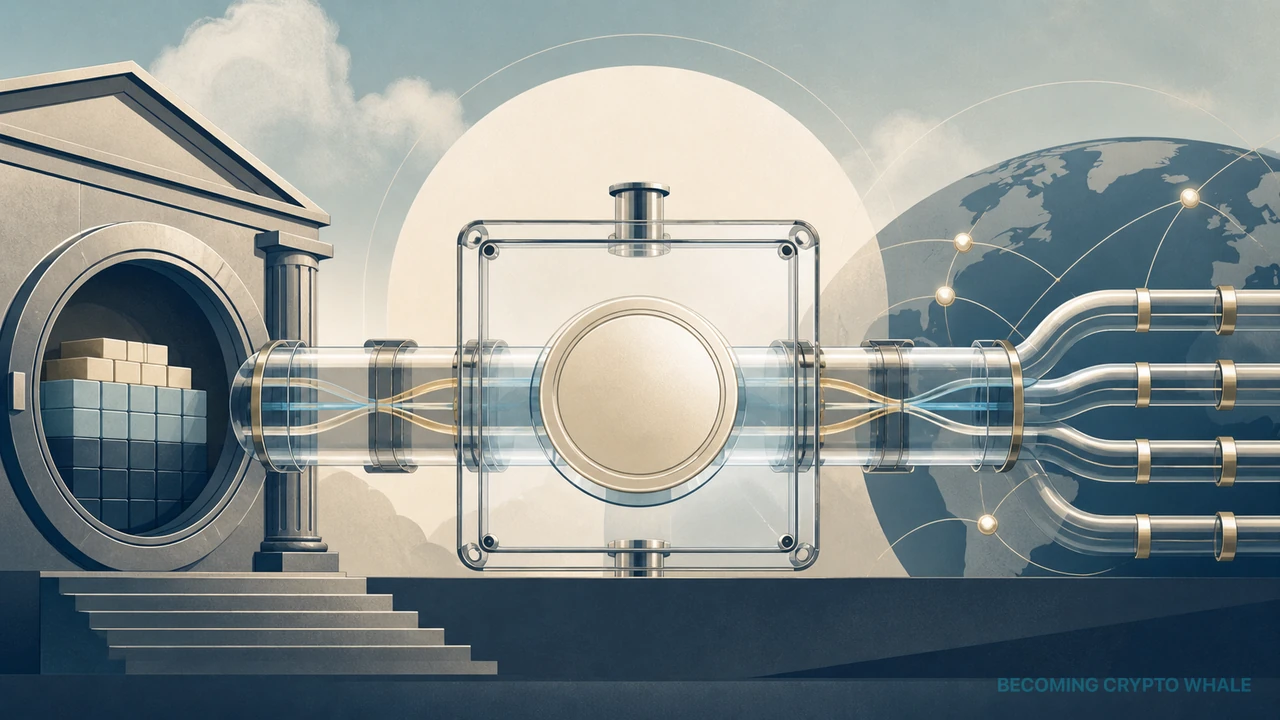
Stablecoins crypto में सबसे कम exciting asset जैसे दिख सकते हैं। उनका price आमतौर पर one dollar के पास रहता है, और उनके charts Bitcoin या altcoins की तरह move नहीं करते।
लेकिन 2026 में stablecoins को सिर्फ ऐसे coins की तरह treat नहीं किया जा सकता जो move नहीं करते। Market में उनकी role बदल चुकी है। Stablecoins exchange cash balances, DeFi collateral, global transfers, payment infrastructure और regulated financial products के बीच बैठते हैं।
Core point यह है:
Stablecoins speculative crypto assets से कम और on-chain finance के settlement accounts से ज्यादा मिलते-जुलते होते जा रहे हैं।
यह सिर्फ narrative shift नहीं है। United States में GENIUS Act के बाद detailed rules emerge होने लगे हैं, और focus AML, sanctions compliance तथा issuers पर state-versus-federal oversight की ओर move कर रहा है। साथ ही market data दिखाता है कि broader market weak होने पर भी stablecoins central liquidity anchor बने रहते हैं।
Stablecoins पर अब फिर ध्यान क्यों देना चाहिए
Stablecoins सिर्फ bull markets में important नहीं होते। Stress में वे और भी important हो सकते हैं।
CoinGecko's 2026 Q1 Crypto Industry Report के अनुसार 2026 first quarter में total crypto market capitalization sharply गिरा, जबकि stablecoin market capitalization लगभग USD 309.9 billion पर almost flat रही। Report इसे sector की liquidity-anchor role का evidence बताती है।
यह मायने रखता है क्योंकि Bitcoin या altcoins sell करने वाले investors हमेशा crypto पूरी तरह leave नहीं करते। Meaningful capital stablecoins में रहकर next opportunity का इंतजार कर सकता है।
इस sense में stablecoin supply crypto market के thermometer जैसी है।
- Rising stablecoin supply ज्यादा dry powder की ओर इशारा कर सकती है।
- Issuer market share shift changing trust या regulatory conditions signal कर सकता है।
- Falling exchange stablecoin balances risk aversion या capital exit suggest कर सकते हैं।
- DeFi में growing stablecoin demand collateral, lending और yield markets restart कर सकती है।
Stablecoins ऐसे coins नहीं हैं जो ऊपर नहीं जाते। वे base asset हैं जिससे दूसरे coins खरीदे और बेचे जाते हैं।
GENIUS Act के बाद focus issuers पर चला गया
पुरानी stablecoin debates एक सवाल पर center थीं: क्या reserves सच में हैं? यह सवाल अभी भी important है। लेकिन 2026 में regulatory focus broader है।
1 April 2026 को U.S. Treasury ने GENIUS Act के तहत state-level regulatory regimes पर proposed rule announce किया। Proposal इस बात से जुड़ा है कि certain payment stablecoin issuers कब state-level regime चुन सकते हैं। Key phrase है कि state framework federal framework के substantially similar है या नहीं।
8 April 2026 को Treasury's FinCEN और OFAC ने AML और sanctions compliance obligations पर proposed rule announce किया। Proposal permitted payment stablecoin issuers को Bank Secrecy Act के तहत financial institutions की तरह treat करेगा और anti-money laundering तथा sanctions compliance programs require करेगा।
Plain language में U.S. regulatory question बदल रहा है।
पुराने सवाल थे:
- क्या यह token सच में one dollar redeem हो सकता है?
- क्या reserves sufficient हैं?
- क्या issuer trustworthy है?
नए सवाल हैं:
- क्या issuer के पास financial-institution-grade controls हैं?
- क्या वह illicit funds, sanctioned parties और hack proceeds identify कर सकता है?
- State और federal regimes में supervision की responsibility किसकी है?
- Stress में redemption, reporting और customer protection काम करते हैं?
यह major change है। Stablecoins crypto experiment से financial infrastructure बनते हैं तो उन्हें इस step से गुजरना ही होगा।
Investor standards भी बदलने चाहिए
कई investors सिर्फ price देखते हैं। Stablecoin one dollar के पास trade करे तो ठीक लगता है। One dollar से दूर जाए तो risky लगता है।
लेकिन peg result है। Causes उसके नीचे हैं।
Stablecoin analysis में कम से कम पांच checks होने चाहिए।
1. Reserve quality
Cash, short-term Treasuries, bank deposits, repo और other assets का mix देखें। दो tokens दोनों one dollar पर trade कर सकते हैं, फिर भी liquidity और credit risks अलग हो सकते हैं।
2. Redemption structure
Direct redeem कौन कर सकता है? Minimum redemption size क्या है? Stress में redemptions delay हो सकते हैं? Exchange पर one dollar में sell करना issuer से direct redemption जैसा नहीं है।
3. Regulatory jurisdiction
कौन-से laws apply होते हैं? Issuer के पास कौन-सा license है? Customer funds और reserves कैसे separate हैं?
4. Sanctions और freeze authority
Centralized stablecoins specific addresses freeze कर सकते हैं। इससे crime fight करने में मदद मिलती है, लेकिन users के लिए censorship और operational risk भी बनता है।
5. Chain और bridge risk
Same stablecoin अलग chain पर अलग risk रखता है। यह natively issued है, bridged है या wrapped? Liquidity असल में कहां concentrated है?
One-dollar price हर stablecoin को same नहीं बनाता। इसका मतलब सिर्फ इतना है कि अलग credit structures one dollar जैसे दिखने की कोशिश कर रहे हैं।
Exchanges और DeFi के लिए क्या बदलता है
Stablecoin regulation clearer होने पर exchanges और DeFi protocols से institution-like expectations बढ़ेंगी।
Exchanges के लिए कौन-सा stablecoin base market बनेगा, यह ज्यादा important हो जाता है। Liquidity alone enough नहीं हो सकती। Issuer status, reserve disclosure, sanctions controls और exchange की risk management connected हो जाते हैं।
DeFi में issue और complex है। Stablecoins lending, DEXs, derivatives और yield products के core collateral हैं। किसी major stablecoin में confidence weak हो तो हर protocol जो उसे collateral की तरह use करता है, same risk channel का हिस्सा बन सकता है।
Reverse भी true है। Clearer regulation institutional capital को ज्यादा comfortable बना सकती है। Institutions yield देखने से पहले legal certainty, accounting treatment, custody, redemption rights और regulatory risk देखते हैं। Stablecoins अगर ये standards meet करने लगें, तो on-chain payment और settlement ज्यादा realistic हो जाते हैं।
Korea का KRW stablecoin debate भी इसी story का हिस्सा है
U.S. GENIUS Act framework Korea के लिए भी relevant है। Korea में central question है कि won-denominated stablecoin issue करने की अनुमति किसे होनी चाहिए।
CoinGecko and Tiger Research's 2026 Korea Crypto Market Guide कहती है कि KRW stablecoin market अभी legislation का इंतजार कर रहा है, लेकिन banks और financial groups पहले से positioning कर रहे हैं। Report bank-led model, possible fintech participation और Bank of Korea की CBDC-first stance को major variables बताती है।
यह important है क्योंकि KRW stablecoin सिर्फ another exchange asset नहीं होगा।
अगर यह real बनता है, तो कई सवाल आते हैं।
- KRW spot markets और stablecoin markets कैसे connect होंगे?
- Bank deposits और KRW stablecoins compete करेंगे या complement?
- Regulators domestic और foreign stablecoins को अलग कैसे treat करेंगे?
- Payments, remittances, points, cards और wallets उससे कैसे connect होंगे?
- क्या DeFi में KRW-denominated collateral market emerge हो सकता है?
ये सवाल price predictions से ज्यादा important हैं। KRW stablecoin Korea crypto market के लिए infrastructure question होगा।
Stablecoin market checklist
आगे stablecoins को सिर्फ market cap ranking से analyze नहीं करना चाहिए। ये items देखें।
1. Total supply
Stablecoin supply rise कर रही है या fall? Rising supply returning risk appetite का early sign हो सकती है। Falling supply capital exit या defensive positioning signal कर सकती है।
2. Issuer market share
USDT, USDC, USDS और other stablecoins share gain या lose कैसे कर रहे हैं, देखें। Market share changes regulation, trust, exchange adoption और DeFi demand reflect कर सकते हैं।
3. Exchange balances
Exchanges पर stablecoins short-term buying power represent कर सकते हैं। लेकिन हर balance immediate buying नहीं बनता, इसलिए इसे price action के साथ पढ़ें।
4. DeFi collateral use
कौन-से lending protocols, DEXs और derivatives markets stablecoin को collateral की तरह use करते हैं, check करें। Wider usage network effects बनाता है, लेकिन break होने पर contagion paths भी बढ़ाता है।
5. Regulatory events
Detailed rules अक्सर law headline से ज्यादा matter करते हैं। Licensing, AML obligations, sanctions compliance और reserve disclosure market structure बदल सकते हैं।
Conclusion
Stablecoins को underestimate करना आसान है क्योंकि उनके charts boring होते हैं। लेकिन market foundations अक्सर important बनने से पहले boring दिखते हैं।
Bitcoin direction दिखाता है। Altcoins risk appetite दिखाते हैं। Stablecoins payment और liquidity base दिखाते हैं जो दोनों को move कर सकता है।
2026 stablecoin debate अब सिर्फ यह नहीं कि कौन-सा token one dollar best hold करता है। सवाल बड़ा हो गया है।
Digital dollars और digital won के settlement accounts operate करने के लिए कौन qualified है?
Answer exchanges, DeFi, banks, payment companies और wallet services के next competitive map को define कर सकता है।
Stablecoins quiet हैं, लेकिन वे market structure बदलते हैं। इसलिए अब उन पर attention जरूरी है।