
Stablecoins không còn chỉ là coins. Chúng là financial infrastructure.
Trong 2026, vấn đề chính của stablecoins không chỉ là price stability. Đó là payments, dollar liquidity, compliance infrastructure và các rules định hình ai có thể issue digital money.
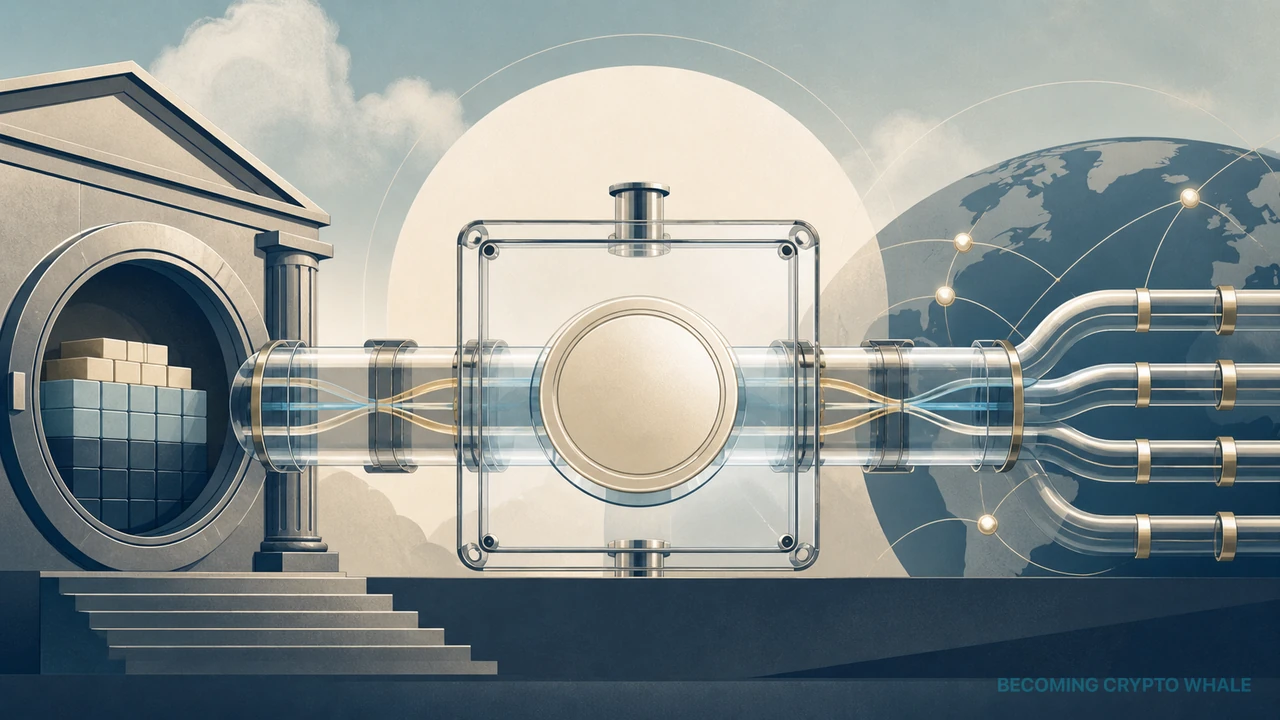
Stablecoins có thể trông như asset ít thú vị nhất trong crypto. Price của chúng thường ở gần one dollar, và charts không move như Bitcoin hoặc altcoins.
Nhưng trong 2026, stablecoins không thể được xem chỉ là coins không biến động. Role của chúng trong market đã đổi. Stablecoins nằm giữa exchange cash balances, DeFi collateral, global transfers, payment infrastructure và regulated financial products.
Core point là:
Stablecoins đang bớt giống speculative crypto assets và giống settlement accounts của on-chain finance hơn.
Đây không chỉ là narrative shift. Ở United States, detailed rules bắt đầu emerge sau GENIUS Act, và focus chuyển sang AML, sanctions compliance, cũng như state-versus-federal oversight của issuers. Đồng thời market data cho thấy stablecoins vẫn là central liquidity anchor ngay cả khi broader market yếu.
Vì sao stablecoins đáng được chú ý lại lúc này
Stablecoins không chỉ important trong bull markets. Chúng có thể còn quan trọng hơn khi markets under stress.
Theo CoinGecko's 2026 Q1 Crypto Industry Report, total crypto market capitalization giảm mạnh trong first quarter of 2026, trong khi stablecoin market capitalization gần như flat ở khoảng USD 309.9 billion. Report mô tả đây là evidence về role của sector như liquidity anchor.
Điều đó quan trọng vì investors bán Bitcoin hoặc altcoins không luôn rời crypto hoàn toàn. Một lượng capital meaningful vẫn ở stablecoins, chờ opportunity tiếp theo.
Theo nghĩa đó, stablecoin supply gần như thermometer cho crypto market.
- Rising stablecoin supply có thể chỉ ra nhiều dry powder hơn.
- Shift trong issuer market share có thể signal changing trust hoặc regulatory conditions.
- Falling exchange stablecoin balances có thể gợi ý risk aversion hoặc capital exit.
- Growing DeFi demand cho stablecoins có thể restart collateral, lending và yield markets.
Stablecoins không phải coins không tăng. Chúng là base asset cho phép các coins khác được mua và bán.
Sau GENIUS Act, focus chuyển sang issuers
Các debate stablecoin cũ xoay quanh một câu hỏi: reserves có thật không? Câu hỏi đó vẫn quan trọng. Nhưng trong 2026, regulatory focus rộng hơn.
Ngày 1 April 2026, U.S. Treasury announced proposed rule về state-level regulatory regimes under the GENIUS Act. Proposal liên quan đến khi nào certain payment stablecoin issuers có thể chọn state-level regime. Key phrase là framework của state có substantially similar với federal framework không.
Ngày 8 April 2026, Treasury's FinCEN và OFAC announced proposed rule về AML và sanctions compliance obligations. Proposal sẽ treat permitted payment stablecoin issuers như financial institutions theo Bank Secrecy Act và require anti-money laundering cùng sanctions compliance programs.
Nói đơn giản, regulatory question ở U.S. đang đổi.
Câu hỏi cũ:
- Token này có thật sự redeem được one dollar không?
- Reserves có sufficient không?
- Issuer có trustworthy không?
Câu hỏi mới:
- Issuer có financial-institution-grade controls không?
- Issuer có thể identify illicit funds, sanctioned parties và hack proceeds không?
- Ai responsible for supervision giữa state và federal regimes?
- Redemption, reporting và customer protection có hoạt động under stress không?
Đó là major change. Đây là step stablecoins phải đi qua nếu chuyển từ crypto experiment thành financial infrastructure.
Investor standards cũng cần đổi
Nhiều investors chỉ nhìn price. Stablecoin trade gần one dollar thì trông ổn. Nếu lệch khỏi one dollar thì trông risky.
Nhưng peg là result. Causes nằm phía dưới.
Ít nhất, stablecoin analysis nên có năm checks.
1. Reserve quality
Nhìn mix cash, short-term Treasuries, bank deposits, repo và other assets. Hai tokens có thể cùng trade ở one dollar nhưng mang liquidity và credit risks khác nhau.
2. Redemption structure
Ai có thể redeem trực tiếp? Minimum redemption size là gì? Redemptions có thể delay under stress không? Sell trên exchange ở one dollar không giống redeem trực tiếp từ issuer.
3. Regulatory jurisdiction
Laws nào apply? Issuer giữ license gì? Customer funds và reserves được separated thế nào?
4. Sanctions và freeze authority
Centralized stablecoins có thể freeze specific addresses. Điều này giúp chống crime, nhưng với users cũng tạo censorship và operational risk.
5. Chain và bridge risk
Cùng stablecoin có risks khác nhau tùy chain. Nó natively issued, bridged hay wrapped? Liquidity thực sự concentrated ở đâu?
One-dollar price không làm mọi stablecoin giống nhau. Nó chỉ nghĩa là nhiều credit structures khác nhau đang cố trông như one dollar.
Điều gì đổi với exchanges và DeFi
Khi stablecoin regulation rõ hơn, exchanges và DeFi protocols sẽ đối mặt expectations giống institutions hơn.
Với exchanges, stablecoin nào trở thành base market quan trọng hơn. Liquidity alone có thể chưa đủ. Issuer status, reserve disclosure, sanctions controls và risk management của exchange đều connected.
Với DeFi, issue phức tạp hơn. Stablecoins là core collateral cho lending, DEXs, derivatives và yield products. Nếu confidence vào một major stablecoin yếu đi, mọi protocol dùng nó làm collateral có thể trở thành cùng risk channel.
Ngược lại cũng đúng. Regulation rõ hơn có thể làm institutional capital comfortable hơn. Institutions nhìn legal certainty, accounting treatment, custody, redemption rights và regulatory risk trước khi nhìn yield. Nếu stablecoins bắt đầu meet các standards đó, on-chain payment và settlement realistic hơn.
Korea KRW stablecoin debate là cùng một story
U.S. GENIUS Act framework cũng relevant với Korea. Ở Korea, central question là ai nên được allowed issue won-denominated stablecoin.
CoinGecko and Tiger Research's 2026 Korea Crypto Market Guide nói KRW stablecoin market vẫn chờ legislation, nhưng banks và financial groups đã positioning. Report highlight bank-led model, possible fintech participation và CBDC-first stance của Bank of Korea như major variables.
Điều này quan trọng vì KRW stablecoin sẽ không chỉ là another exchange asset.
Nếu nó thành real, các câu hỏi theo sau:
- KRW spot markets và stablecoin markets sẽ connect thế nào?
- Bank deposits và KRW stablecoins sẽ compete hay complement?
- Regulators sẽ treat domestic và foreign stablecoins khác nhau ra sao?
- Payments, remittances, points, cards và wallets sẽ connect với nó thế nào?
- KRW-denominated collateral market có thể emerge trong DeFi không?
Những câu hỏi đó quan trọng hơn price predictions. KRW stablecoin sẽ là infrastructure question cho crypto market Korea.
Stablecoin market checklist
Về sau, stablecoins không nên được analyze chỉ bằng market cap ranking. Hãy theo dõi:
1. Total supply
Total stablecoin supply rising hay falling? Rising supply có thể là early sign risk appetite quay lại. Falling supply có thể signal capital exit hoặc defensive positioning.
2. Issuer market share
Theo dõi USDT, USDC, USDS và stablecoins khác gain/loss share. Market share changes có thể reflect regulation, trust, exchange adoption và DeFi demand.
3. Exchange balances
Stablecoins trên exchanges có thể represent short-term buying power. Nhưng không phải balance nào cũng thành immediate buying, nên cần đọc với price action.
4. DeFi collateral use
Check lending protocols, DEXs và derivatives markets nào dùng stablecoin làm collateral. Wider usage tạo network effects, nhưng cũng tạo nhiều contagion paths hơn nếu có thứ gì vỡ.
5. Regulatory events
Detailed rules thường quan trọng hơn headline passage of a law. Licensing, AML obligations, sanctions compliance và reserve disclosure có thể change market structure.
Kết luận
Stablecoins dễ bị underestimate vì charts boring. Nhưng market foundations thường trông boring trước khi trở nên important.
Bitcoin cho thấy direction. Altcoins cho thấy risk appetite. Stablecoins cho thấy payment và liquidity base có thể move cả hai.
2026 stablecoin debate không còn chỉ là token nào hold one dollar tốt nhất. Câu hỏi giờ lớn hơn.
Ai đủ qualified để operate settlement accounts cho digital dollars và digital won?
Câu trả lời có thể define competitive map tiếp theo cho exchanges, DeFi, banks, payment companies và wallet services.
Stablecoins quiet, nhưng chúng thay đổi market structure. Đó là lý do chúng đáng được chú ý lúc này.