
Strait of Hormuz Risk Check 2026: Framework thực tế để đọc oil, gold, stocks và Bitcoin
Hướng dẫn thực tế 2026 để hiểu Strait of Hormuz risk qua oil, gold, stocks, bitcoin, inflation và liquidity thay vì headlines giật gân.
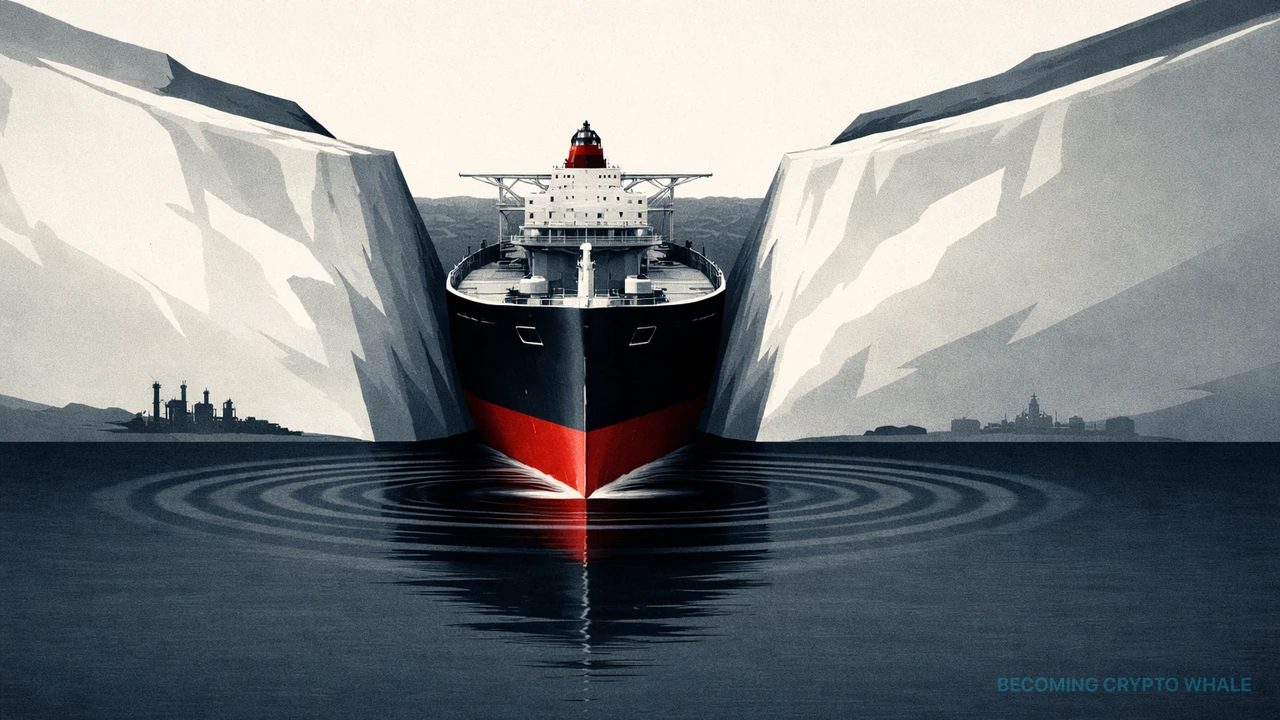
Ngày 4 March 2026, U.S. Maritime Administration phát hành advisory cho commercial vessels đi qua Strait of Hormuz và vùng nước lân cận. Sau đó ngày 13 March 2026, U.S. Energy Information Administration giải thích rằng ngay cả khi không có full closure được công nhận rộng rãi, threats, insurance cancellations, shipowners avoidance và partial production shut-ins vẫn có thể sharply reduce tanker traffic.
Vì vậy investors không nên fixate vào việc legal closure đã được declared hay chưa. Quan trọng hơn là real energy flow bị delay bao nhiêu, disruption kéo dài bao lâu, và shock đó spill over sang inflation, rates và liquidity thế nào.
Vì sao Strait of Hormuz quan trọng
Theo EIA, khoảng 20.9 million barrels per day đi qua Strait of Hormuz trong first half of 2025, roughly 20% global petroleum liquids consumption. Hơn 20% global LNG trade cũng đi qua corridor này.
Alternative routes hạn chế. Saudi và UAE bypass pipelines xử lý khoảng 4.7 million barrels per day, thấp hơn nhiều so với total Hormuz volumes.
Market vẫn có thể swing hard dù không có textbook full closure nếu xuất hiện transit delays, war-risk insurance costs tăng, shipowners/charterers tránh tuyến, temporary production disruptions hoặc refining margins và freight costs rộng hơn. Markets price bottlenecks trước legal language.
Shock đi qua markets như thế nào
Khi Hormuz risk tăng, oil thường là market đầu tiên react. Nhưng investors nên focus vào second-order transmission path hơn oil alone.
- Oil prices rise
- Transport và input-cost pressure expand
- Inflation expectations re-accelerate
- Rate volatility tăng hoặc easing expectations fade
- Valuation pressure hit stocks và crypto
Vấn đề không phải fear đơn giản. Câu hỏi thật là energy shock có đang tightening cả real economy và financial conditions cùng lúc không.
Cách đọc từng asset class
Gold và dollar thường là first refuges trong giai đoạn đầu geopolitical shock. Gold là traditional crisis hedge; dollar vẫn là center của global settlement và liquidity. Nếu growth fears dominate, gold có thể outperform. Nếu dollar liquidity stress tăng, dollar có thể dominate.
Stocks có thể bị squeeze từ hai hướng: higher energy/freight costs damage margins, và re-accelerating inflation tăng discount-rate pressure. Markets phụ thuộc energy import thường sensitive hơn.
Bitcoin không phải automatic safe haven. Initial shock có thể khiến bitcoin sell off cùng Nasdaq nếu leverage bị cut và broad risk-off xảy ra. Later, tùy central bank responses, dollar, real yields và relative strength của bitcoin versus gold, digital-gold narrative có thể regain traction.
Scenario table
| Scenario | Oil | Gold / Dollar | Stocks | Bitcoin |
|---|---|---|---|---|
| Tension ngắn rồi easing | Spike rồi retracement possible | Safe-haven premium fades | Room rebound cao hơn | Beta rebound possible |
| Transit disruption kéo dài | Có thể stay elevated | Relative strength persist | Cost pressure lingers | Weak early, rồi re-diverge với liquidity |
| Production disruption + inflation | Risk another leg higher | Strong upside case | Vulnerable nhất | High volatility |
Table này không phải prediction. Nó là preparation.
BCW response framework
1. Cut leverage trước
Trong macro headline markets, expanding volatility thường nguy hiểm hơn việc hơi sai direction. Smaller size và wider safety margin phải đi trước.
2. Viết cả thesis và invalidation
Không đủ nếu chỉ ghi vì sao bạn entered. Cần viết trong Whale Journal điều gì sẽ prove idea wrong.
3. Theo dõi second-order indicators, không chỉ headlines
- Oil đang one-day spike hay bắt đầu real trend change?
- Dollar và real yields có rise cùng nhau không?
- Market breadth có recover nếu stocks bounce không?
- Bitcoin có regain relative strength versus Nasdaq không?
News nói điều đã xảy ra. Portfolio nên được manage qua second-order indicators.
Kết luận
Trong Strait of Hormuz risk, investors không nên chỉ tập trung vào chữ closure. Câu hỏi quan trọng hơn là energy flow thực sự bị impaired bao nhiêu, shock kéo dài bao lâu, và fallout có lan sang rates/liquidity không.
Gold, dollar, stocks và bitcoin có thể react với cùng headline trên different time horizons. Hiểu difference đó giúp bạn prepare by scenario thay vì trading fear.
Trong crisis markets, survival quan trọng trước return. Chỉ positions còn sống mới gặp được opportunity tiếp theo.
Editorial note: Bài viết này dựa trên public information có sẵn đến ngày 19 March 2026. Geopolitical conditions và shipping flows có thể thay đổi nhanh.
Bài viết này chỉ phục vụ mục đích giáo dục và không phải investment advice.